


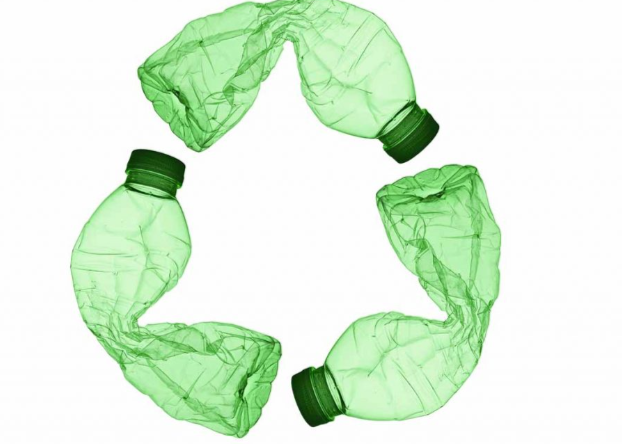
Plastic waste management has emerged as one of the most pressing environmental issues of our time. Amid growing concern, industries are seeking innovative ways to mitigate waste and the damage it causes to our planet. High-Density Polyethylene (HDPE) recycling has become a powerful solution, providing a path to sustainability without compromising on material strength or usability.
This blog will explore the benefits of HDPE Recycling, highlighting how this process not only reduces waste but also preserves the integrity of one of the most widely used plastics. From environmental advantages to economic incentives, HDPE recycling represents a key step forward in sustainable practices.
Understanding HDPE and Its Importance
High-Density Polyethylene, or HDPE, is a robust, versatile thermoplastic polymer commonly used in everyday items such as bottles, pipes, and containers. Its lightweight nature, strength, and resistance to moisture make it ideal for various applications. However, as practical as HDPE is, its high production rate presents a significant challenge when it comes to waste management.
Without proper recycling initiatives, HDPE waste often ends up in landfills or as part of global pollution in oceans and natural ecosystems. Recycling HDPE offers a vital opportunity to tackle these challenges while ensuring the material’s durability remains intact for reuse.
Why is HDPE Recycling Crucial?
Statistics bring the issue into sharp focus. An estimated 300 million tons of plastic are produced annually, and approximately 12% of this waste is made up of HDPE. What’s more concerning is that only a fraction of this waste undergoes recycling. By ramping up efforts to recycle HDPE, the environmental benefits become undeniable.
The Top Benefits of Recycling HDPE
- Substantial Reduction in Plastic Pollution
Recycling HDPE plays a critical role in lowering plastic waste generation. By diverting HDPE materials from landfills and redirecting them into recycling facilities, the harmful effects of plastic pollution on ecosystems are diminished. HDPE recycling reduces the chance of waste leaching into water systems and contaminating soil, a common issue caused by plastic disposals in landfills.
Notably, a single recycled HDPE bottle can save up to 50% of the energy typically used in producing a new raw material-based bottle. Imagine scaling this impact across entire industries.
- Preservation of Material Properties
One of HDPE’s standout qualities is its strength and durability. With advanced recycling technology, these properties can be preserved and incorporated into various new products. This ensures that recycled HDPE performs nearly as efficiently as newly manufactured HDPE.
Unlike some other plastics that degrade upon multiple recycling processes, HDPE retains remarkable structural integrity, making it suitable for use in industrial applications, pipelines, and even food-grade packaging.
Recycling aims to not only reduce waste but also ensure that the recycled material can contribute to the same high-function products and industries again, creating a closed-loop production system.
- Decrease in Dependency on Virgin Plastics
The extraction and processing required to create virgin plastics are resource-intensive. From crude oil extraction to processing and manufacturing, the environmental impact is significant. Recycling HDPE reduces dependence on virgin plastic manufacturing, cutting down on environmental strain and conserving valuable natural resources.
For every one ton of HDPE recycled, approximately 1.8 tons of CO2 emissions are prevented, making it a vital element in achieving carbon neutrality on a larger scale.