









Modern product development involves much more than creating a three-dimensional model. Engineering teams must develop concepts, validate performance, manage revisions, prepare technical documents, and share accurate information with manufacturing. A complete 3D engineering workflow with SOLIDWORKS connects these activities, helping businesses move from an initial idea to a production-ready product more efficiently.
By keeping design information within an integrated environment, teams can reduce repetitive work, improve accuracy, and maintain better control throughout the product lifecycle.
Create Accurate 3D Designs
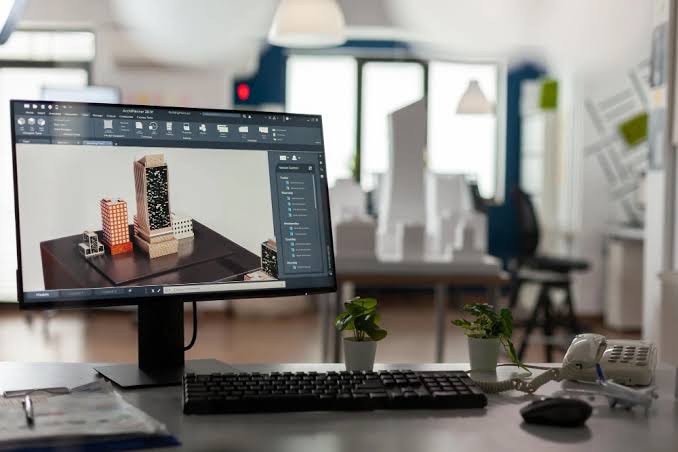
SOLIDWORKS provides professional tools for creating parts, assemblies, sheet metal components, weldments, and manufacturing drawings. Engineers can define dimensions, materials, design relationships, and product configurations within a clear visual workspace.
When a model changes, connected assemblies and drawings can update automatically. This reduces manual corrections and helps prevent outdated information from reaching purchasing, production, or quality teams.
Review Products Before Manufacturing
Three-dimensional models make complex designs easier to understand. Engineers can inspect components from different angles, check measurements, and evaluate how parts fit together.
Interference detection and motion tools also help identify collisions, restricted movement, and incorrect clearances before production begins. Finding these issues during design is usually faster and less costly than correcting them after materials have been ordered.
Validate Product Performance Digitally
A complete engineering workflow should include more than geometry creation. Digital simulation allows teams to evaluate how a product may perform under expected operating conditions.
Engineers can study stress, displacement, temperature, vibration, motion, and fluid behavior. These insights support better design decisions, reduce unnecessary physical prototypes, and improve confidence before releasing a product for manufacturing.
Improve Cloud-Based Collaboration
3Dexperience SolidWorks combines professional design capabilities with cloud-based tools for collaboration, task management, data sharing, and project visibility. Team members can communicate design changes, review product information, and coordinate responsibilities within a connected environment.
This approach supports organizations with employees working across departments or locations. It also gives managers clearer visibility into project progress without relying on scattered emails and uncontrolled file copies.
Control Engineering Data and Revisions
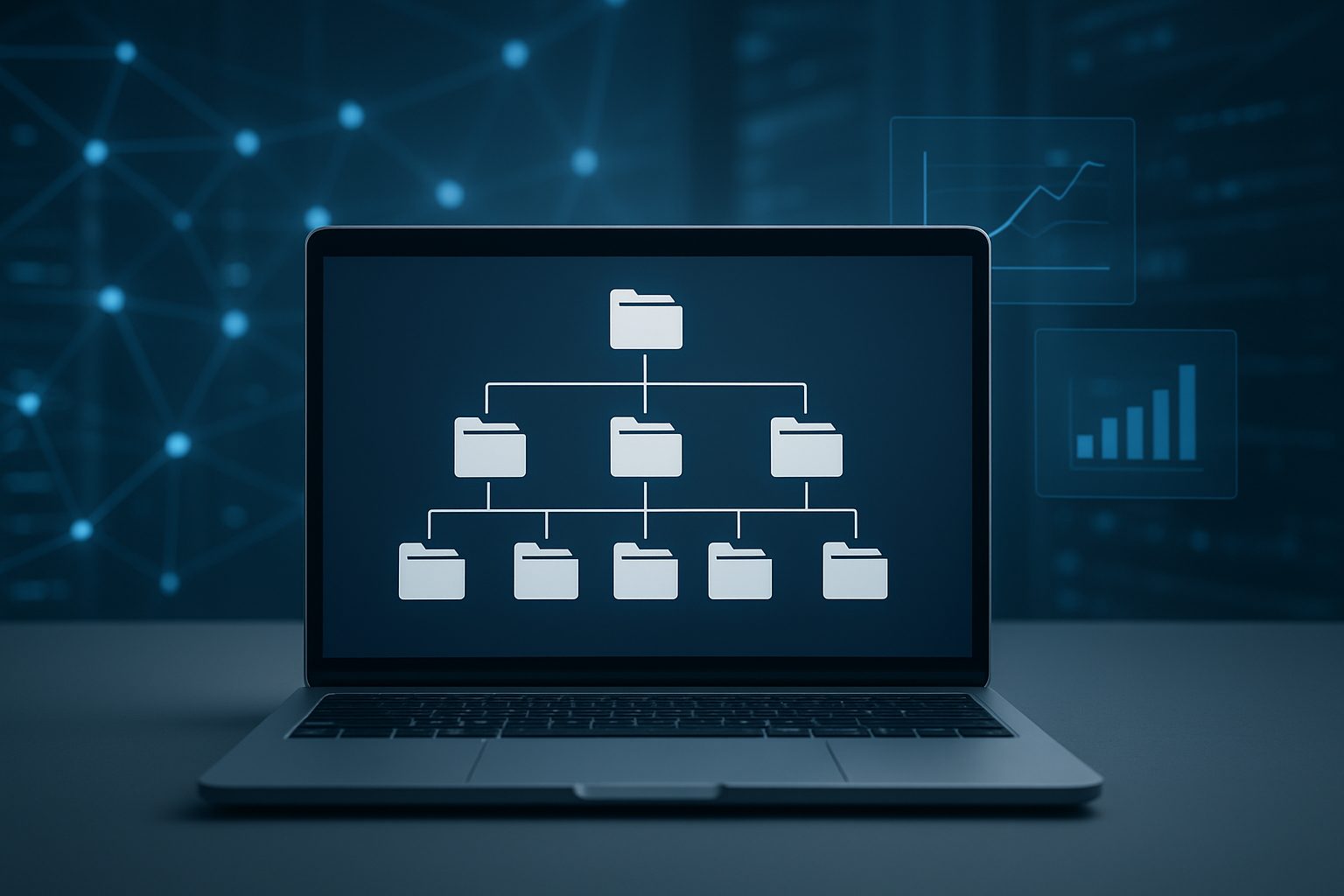
SolidWorks PDM helps companies organize design files, manage revisions, control user access, and maintain approval processes. Engineers can locate the correct documents quickly and understand which version is approved for production.
Effective product data management reduces duplicate files and accidental overwriting. It also creates a reliable history of design changes, helping teams maintain accountability and protect valuable engineering information.
Connect Design with Manufacturing
SOLIDWORKS solutions can support technical documentation, electrical development, CNC preparation, visualization, and manufacturing communication. Connecting these processes helps departments work from consistent product data and respond faster when requirements change.
Build a Complete Digital Engineering Environment
A complete 3D engineering workflow improves more than design speed. It strengthens collaboration, supports product validation, protects engineering data, and creates a smoother transition into manufacturing.
SEACAD Technologies provides SOLIDWORKS software, implementation services, professional training, and technical support for engineering businesses. With the right tools and structured guidance, companies can shorten development cycles, improve product quality, reduce avoidable errors, and build a stronger foundation for future innovation.